Sermon
A transcript of John Wesley's Sermon 138, 'On Grieving The Holy Spirit,' originally written in 1733. This version is an abridged and revised edition of the 1872 Thomas Jackson edition, edited by George Lyons with minor corrections by Ryan Danker for the Wesley Center for Applied Theology at Northwest Nazarene University. The sermon provides an exegetical commentary on Ephesians 4:30, exploring the nature of God's 'grief' as a disposition of His will arising from love and abhorrence of sin. Wesley outlines how sins offend the Holy Spirit through His immediate presence in the believer, as acts of contempt toward divine love, and as a failure to achieve the sanctification intended by the Spirit's work.
Ephesians 4:30 · 1 Corinthians 6:19 · 2 Corinthians 1:22
Lecture
A lecture transcript or personal reflection exploring the principles of a Wesleyan approach to biblical interpretation. The author addresses the challenges of interpreting Scripture within a postmodern culture that rejects the objectivity of knowledge, and contrasts the Wesleyan tradition with the Calvinistic influences found in much evangelical media. The document outlines three foundational principles for a Wesleyan hermenseutic: that the Scriptures are 'Incarnational' (requiring historical and literary study), 'Christological' (centered on the witness to Jesus Christ), and 'God-breathed' (functioning through the Holy Spirit). The author identifies as both a convinced evangelical and a critical scholar. The text also includes reflections on John Wesley's approach to Scripture, specifically referencing his 'Preface to Sermons,' and includes various biblical citations (Psalms, Luke, 2 Timothy, 2 Peter, Galatians) used to support the nature and function of the Word.
Psalm 119:9, 11, 105 · Luke 24:32 · 2 Timothy 2:8-9
Bible Study
A theological reflection on the Wesleyan concept of being 'filled with the Holy Spirit.' The document traces the biblical development of the Spirit, from the 'ruach' in Genesis to the Pentecost event in Acts. It explores a twofold meaning of the Spirit's fullness: first, as the fulfillment of prophetic promise marking the birth of the Church; and second, as a necessity for the daily renewal of disciples facing challenges. The text incorporates quotations from John Wesley regarding the Spirit as the fountain of holiness and the life of God in the soul, and concludes with a focus on the transformative power of the Spirit as described in the Pauline epistles.
Genesis 1:2 · Psalm 51:11 · Luke 11:13
Academic Paper
A seminar paper, originally delivered as President of the Wesleyan Theological Society in April 1987 and subsequently published in the Wesleyan Theological Journal, exploring the hermeneutical challenges of preaching the Wesleyan message of holiness. Carver discusses his personal transition from a Methodist/Holiness background to academic New Testament studies, expressing concern over 'holiness hermeneutics' that may manipulate biblical texts. He proposes a foundational presupposition that 'holiness' can be understood as 'integrity,' arguing that biblical holiness involves both a relation of exclusive allegiance to God and a response in life to His revealed moral character. The text also touches upon the necessity of biblical primacy in Wesleyan identity and begins to address the use of the language of the holy in the Old and New Testaments.
Galatians 2:20 · 1 John
Book Chapter
A scholarly commentary on 2 Peter 1:3-21, focusing on the nature of 'true knowledge' in the Christian faith. The document provides a linguistic and exegetical analysis of the Greek text, specifically examining the particle 'hōs' in verse 3 and the implications for paragraph structure. It explores the source of true knowledge as divine power (theia dynamis) for godliness (eusebeia), the virtuous nature of such knowledge, and its foundation in the testimony of eyewitnesses and Scripture. The text includes discussions on the grammatical antecedents of 'his divine power,' the distinction between conversion-based knowledge (epignōsis) and subsequent moral development, and the relationship between biblical truth and personal experience.
2 Peter 1:3-21 · 2 Peter 1:3 · 2 Peter 1:4
Devotional
A liturgical program and instructional outline for a Communion service held at SD First Church of the Nazarene on November 2, 2014. The document includes scripture readings from Matthew (26:17-20, 26-28, 30), John (16:13-15), 2 Corinthians (5:17, 19, 21), Hebrews (10:10), and 1 John (1:2, 1:9), as well as a prayer from the Book of Common Prayer (BCP). The text provides specific liturgical instructions for both the 'Both Services' and 'Classic Service' formats, including the distribution of elements, the lifting of the bread and cup, and administrative notes regarding transitions between speakers (Ron Benefiel and Justin) and the collection of the offering.
Matthew 26:17-20, 26-28, 30 · John 16:13-15 · 2 Corinthians 5:17, 19, 21
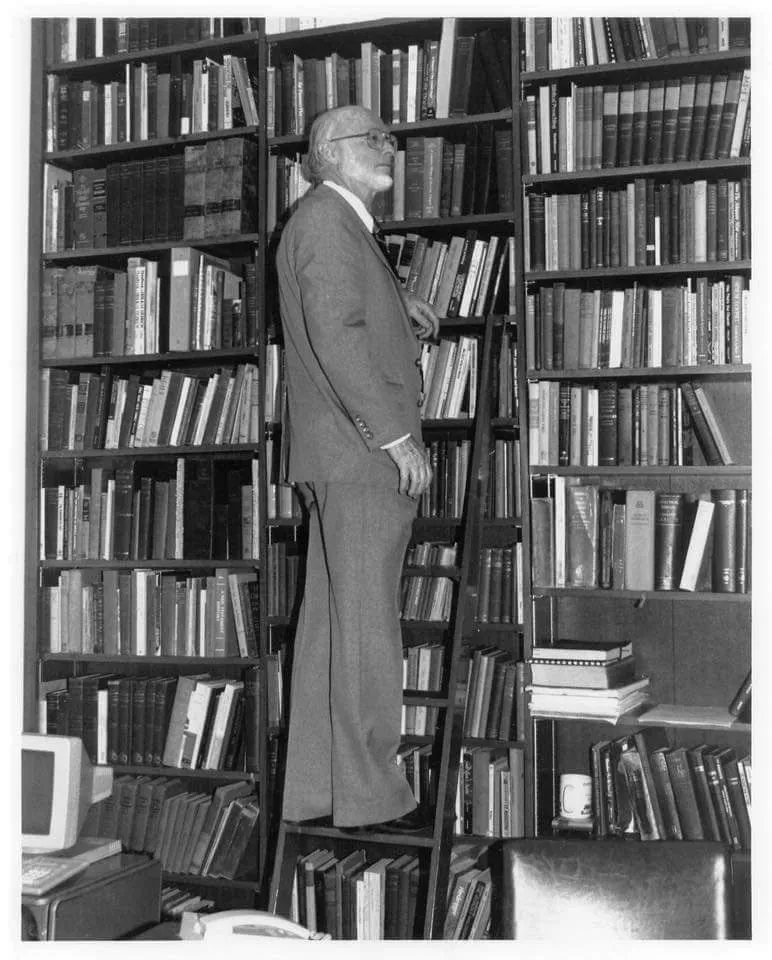
142 documents from his files are published so far, with more being added.